

Tips & Tricks

What is 4 Color Process Screen Printing?
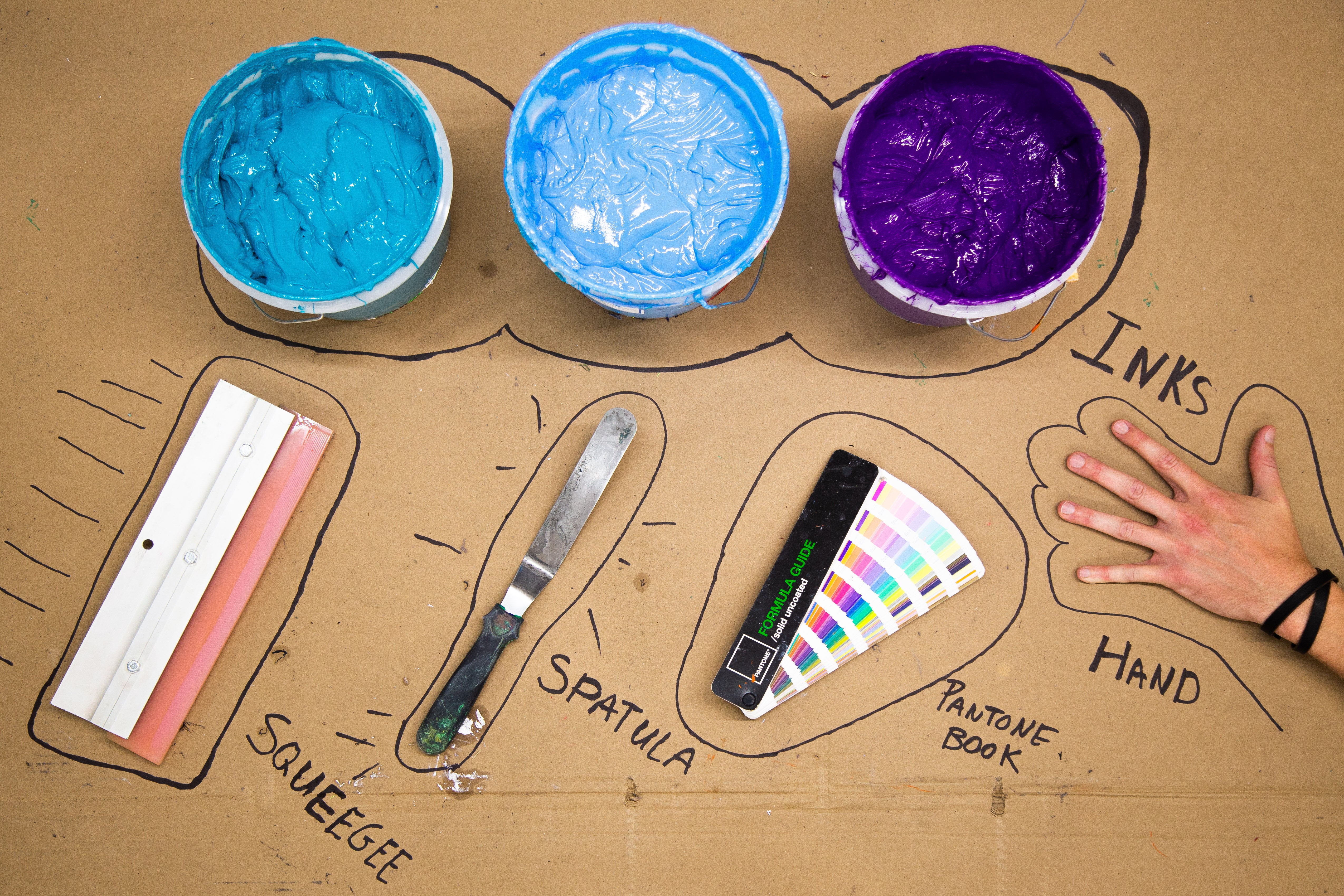
What is 4 Color Process Screen Printing? Are you looking to print multiple colors on your t-shirts, hoodies or any other fabric product? Look no further than 4 Color Process Screen Printing! This printing technique allows for the reproduction of photographic images and intricate designs with vibrant colors that pop. But what exactly is 4 Color Process Screen Printing? In this blog post, we will dive into the different types of 4 color processes, their pros and cons, fabrics that work best for this technique, tips for achieving great results and much more! Keep reading to become an expert on 4 color process screen printing! What is 4 Color Process Screen Printing? 4 Color Process Screen Printing is a printing technique that utilizes four ink colors - cyan, magenta, yellow and black (CMYK) - to create an infinite range of colors. This process involves the separation of the artwork into these four primary colors through a computer program or by hand. Each color is then printed separately using a mesh screen which allows for precise registration of each layer.The end result is a high-quality print that can reproduce photographic images with excellent detail and clarity. Unlike traditional spot color printing where one ink color is applied at a time, 4 Color Process Screen Printing can achieve smooth gradations in color and create intricate designs with multiple shades.This method requires specific equipment such as specialized screens, film positives and exposure units to ensure accuracy in reproducing the design. It also demands skilled printers who understand how to adjust the variables of ink viscosity, squeegee pressure and angle while maintaining tight registration between each layer.In addition to its versatility in producing stunning prints on apparel such as t-shirts, hoodies or hats; 4 Color Process Screen Printing can be applied on other surfaces like paper products including business cards or brochures. The Different Types of 4 Color Processes When it comes to screen printing, the 4 color process is a popular method used in creating high-quality designs. But did you know that there are different types of 4 color processes? Each type has its own advantages and disadvantages, making it important to understand which one works best for your project.The first type of 4 color process is CMYK (Cyan, Magenta, Yellow, Black). This process uses four transparent ink colors that are layered on top of each other to produce various hues and shades. It's perfect for printing photographs or designs with complex gradients.The second type is RGB (Red, Green Blue), which uses three primary colors displayed on digital screens. This process produces bright and vibrant colors but may not be as accurate when printed on paper or fabric.Another type is Pantone Matching System (PMS), which uses pre-mixed inks with specific formulas to achieve precise colors. This option offers consistent results but can be more expensive than other methods.There's spot color printing where each individual color requires a separate screen. While this method can produce vivid and bold results, it's also time-consuming and costly compared to the previous options mentioned above.Choosing the right 4 color process ultimately depends on your design needs such as budget constraints or specific brand guidelines. By understanding these different processes available for screen printing multiple colors effectively improve your next project outcome! The Pros and Cons of 4 Color Process Screen Printing 4 color process screen printing is a popular method for printing multiple colors on different types of fabrics. However, like any other printing technique, it has its own set of advantages and disadvantages.Pros:One of the main benefits of 4 color process screen printing is that it allows for complex designs with many different colors to be printed accurately onto fabric. It also produces high-quality prints with precise details and vibrant colors. Additionally, this technique can be used on a wide variety of fabrics without losing image quality or clarity. This makes it an ideal choice for products such as t-shirts, sweatshirts, bags and more.Cons:On the downside, one disadvantage is that 4 color process screen printing may not always produce exact matches to certain colors due to limitations in ink selection. Another potential drawback is that this type of printing can be relatively expensive compared to other methods when only small orders are required. Lastly, 4 color process only works well on light colored garments - white, ivory or oxford are preferable.While there are both positives and negatives associated with 4 color process screen printing, it remains a versatile technique that can achieve excellent results when utilized correctly. What Fabrics Work Best for 4 Color Process Screen Printing When it comes to 4 color process screen printing, the fabric you choose can make all the difference in achieving a high-quality print. Keep in mind that not all fabrics are created equal and some may work better than others depending on your design. Read more about selecting the best shirt here. One of the most popular fabric choices for 4 color process screen printing is cotton. It's easy to work with and produces vibrant colors with excellent detail. However, keep in mind that different types of cotton may absorb ink differently, so be sure to test your design on a sample piece before going into full production.Polyester is also a great option for 4 color process screen printing as it has a smooth surface which allows for crisp and clean lines. This synthetic material absorbs less ink compared to natural fibers like cotton, resulting in brighter and more vivid colors.Another alternative option is rayon. It has similar properties to polyester but offers an even softer hand feel making it perfect for comfortable clothing items such as t-shirts or hoodies.In summary, when choosing the best fabric for 4 color process screen printing consider factors such as absorbency, texture and overall durability. Always do thorough testing before starting any large-scale projects to ensure that you achieve the desired result with minimal waste of time and materials. And always select a light colored garment in whatever fabric you choose. 4 Color Process Screen Printing Tips When it comes to 4 color process screen printing, there are a few tips that can help ensure the best results. First and foremost, it's important to use high-quality artwork with a resolution of at least 300 dpi. This will ensure that the images come out clear and crisp.Another tip is to choose the right mesh count for your screens. A higher mesh count will result in finer detail, but may also require more ink and longer drying times. Conversely, a lower mesh count may be faster but won't produce as much detail.It's also important to print your colors in the correct order. Choosing an experienced screen printer who knows how to separate the art correctly and set up the job properly and in the right order will ensure you achieve your desired results. Additionally, make sure to let each color layer dry appropriately before printing on top of it - this can take anywhere from a few minutes up to several hours depending on factors like humidity and ink type.Don't forget about proper cleanup after each print run! Cleaning screens thoroughly between jobs helps prevent cross-contamination of colors and ensures that your next prints come out just as vibrant as the last ones did. Conclusion In conclusion, 4 color process screen printing is an effective method for producing high-quality prints with multiple colors. It allows you to create vibrant and detailed designs that are sure to grab attention.However, it's important to choose the right fabrics and understand the different types of 4 color processes so that you can achieve the desired result. And while this technique has its benefits, it also comes with some downsides such as increased cost and longer production time.By following our tips and advice on what fabrics work best, how to prepare your design files properly, and working closely with a professional printing company near you; your project can end up being a success!So go ahead and give 4 color process screen printing a try for your next project - whether it be t-shirts or promotional products –and see how this amazing technique can elevate your brand!
Learn more
Screen Printing Near Me or National Suppliers?
Screen Printing Near Me or National Suppliers? Are you looking to create custom t-shirts for your business, team, or event? If so, screen printing may be the perfect solution for you. Screen printing is a popular method of transferring designs onto apparel and other materials that has been around for decades. With its versatility and affordability, it's no surprise that many people are interested in finding screen printers near them. In this blog post, we'll explore what screen printing is and the different types available. We'll also discuss how to find a reputable screen printer near you or consider national suppliers as an alternative option. Plus, we'll cover pricing expectations so that you can make an informed decision on where to get your shirts printed! What is Screen Printing? Screen printing, also known as silk screen printing, is a technique that involves transferring designs onto different surfaces such as paper, fabric or plastic. The process uses a mesh stencil (also called "screen"), which has the design cut out of it so that ink can pass through and create the desired image. Screen printing has been around since ancient times in China where they used hair to create the screens! Over time this process evolved and became more refined.The screen is placed on top of the surface you want to print on and then ink is added. A squeegee is then used to push the ink through the mesh stencil and onto your chosen material. Multiple screens may be used for images with multiple colors, layers are printed one at a time until all colors have been added. This can be done manually where a person pulls the squeegee across the screen or with an automatic print press where a machine pulls the squeegee. Automation is the best way to guarantee each print will look the same as the pressure of the squeegee pushing the ink is set and won’t vary like it will when pulled manually.Screen printing produces high quality prints with vibrant colors that last longer than other methods like heat transfer or vinyl decal application. Its versatility allows it to be used for various materials such as cotton shirts, tote bags, hats or even posters!Screen printing is an excellent choice when looking for custom apparel designs due to its durability and wide range of options available! The Different Types of Screen Printing Screen printing is a popular method for creating custom designs on various surfaces, including t-shirts, bags, and hats. There are different types of screen printing techniques that use unique methods to transfer ink onto the fabric.One type of screen printing is called spot color or flatbed printing. This technique involves using separate screens for each color in the design and layering them one at a time. It's an affordable option for simple designs with fewer colors.Another type of screen printing is called halftone printing or simulated process. This technique uses dots to create the illusion of gradients or shades within a design. It works best for photographic images or complex designs with many colors.A third type of screen printing is discharge or bleaching print which removes dye from the fabric before applying new ink. The result creates bright prints with vivid colors but requires specific fabrics like cotton and linen.There is water-based ink printing which uses eco-friendly inks made from natural materials like soybeans instead of traditional petroleum-based products. Water-based inks produce less environmental waste than traditional methods while still providing vibrant results.Knowing these different types can help you choose the right technique based on your design needs and preferences while searching for "screen Printing near me" shops to get personalized garments quickly! Pros and Cons of Screen Printing Screen printing is a popular technique for customizing t-shirts, hoodies, and other apparel. Like any other printing method, it has its own set of advantages and disadvantages.One of the biggest pros of screen printing is that it produces high-quality prints with vibrant colors that last wash after wash. It can also be used on different types of fabrics such as cotton, polyester or nylon.However, one disadvantage is that the upfront costs can be high compared to other methods like heat transfer or vinyl printing. Screen printing requires special inks and screens which increases the cost per shirt.Another advantage is its durability - screen printed designs are more resistant to fading than those produced by digital methods.Another pro worth mentioning is versatility: screen printers can print large quantities quickly making them ideal for bulk orders while keeping prices reasonable.Each person's needs will determine whether the pros outweigh the cons when considering if screen printing is right for their project. How to Find a Screen Printer Near Me If you're looking to get some custom t-shirts printed, one of the first steps is finding a screen printer near you. But how do you go about doing that? Here are some tips to help you find a screen printing shop in your area.1. Do an online search: The easiest way to find a screen printer near you is by doing an online search. Simply type in "screen printing near me" or "shirt prints near me" into your preferred search engine and see what comes up.2. Check social media: Many small businesses, including screen printers, have a presence on social media platforms like Instagram and Facebook. You may be able to find local shops by searching hashtags related to custom shirts or t-shirt design.3. Ask for recommendations: If you know anyone who has had custom shirts made before, ask them for recommendations on where they went. Word-of-mouth referrals can be invaluable when it comes to finding reliable service providers.4. Attend events: Local festivals and markets often have vendors selling custom printed items, so attending these events could lead you directly to a screen printer in your area.By using these methods (either alone or in combination), chances are good that you will be able to locate several screen printers nearby that can provide the services that meet your needs! Alternatives to Screen Printing While screen printing is a popular way to create custom t-shirts, it's not the only option available. Here are a few alternatives you might want to consider:1. Direct-to-Garment Printing: DTG printing involves using specialized inkjet printers to print designs directly onto fabric. This method allows for more detailed and intricate designs, but can be more expensive than screen printing.2. Heat Transfer Vinyl: With heat transfer vinyl, your design is cut out of colored vinyl and then ironed onto your shirt using heat. This method works well for small orders or one-off designs.3. Dye Sublimation: Dye sublimation involves transferring dye onto fabric using heat and pressure. Unlike other methods, dye sublimation can produce full-color photographic images with stunning detail.4. Embroidery: Embroidery involves stitching thread into the fabric to create a design or logo that has texture and depth.Each alternative has its own pros and cons depending on what you're looking for in terms of cost, quality, and customization options. It's worth exploring these options when considering how best to bring your t-shirt design ideas to life! How much should a custom shirt cost? When it comes to custom shirts, the price can vary depending on several factors. The first factor is the type of shirt you choose. Higher quality materials tend to be more expensive than lower quality ones.Another thing that can affect the cost is the complexity of your design. More intricate designs require more time and resources to print, which increases the overall cost.The quantity of shirts ordered can also play a role in determining the final cost. Generally, ordering larger quantities will result in a lower per-shirt cost due to economies of scale.Additionally, some screen printing shops may charge extra fees for things like rush orders or additional colors beyond a certain number.Ultimately, there is no set price for custom shirts as each order is unique and requires different amounts of time and resources. It's important to shop around and compare quotes from multiple screen printers before making a decision on who to work with. Conclusion Screen printing is a popular and versatile method for creating custom apparel. It offers a variety of options in terms of design and color choices, making it an ideal choice for businesses, sports teams, and organizations looking to create branded merchandise or uniforms.When searching for a screen printer near you, be sure to consider factors such as experience, quality of workmanship, pricing, and turnaround time. Additionally, don't forget to explore alternative methods such as digital printing or embroidery if they better suit your needs.Ultimately, the key to success with any type of custom apparel project is finding the right partner who can help bring your vision to life. With careful research and consideration, you're sure to find the perfect screen printing shop or supplier that meets all your needs.
Learn more
Polyester vs. Cotton
Polyester vs Cotton Polyester and cotton are two of the most commonly used fabrics in our daily lives. From clothing to home decor, these materials play a significant role in shaping our surroundings. But which one is better? Is polyester more durable than cotton? Or is organic cotton more environmentally friendly than recycled polyester? In this blog post, we will dive into the world of polyester vs cotton and explore their differences when it comes to sustainability, durability, and versatility. So sit back, relax, and let's unravel the mysteries behind these two common fabrics! Which one is better: polyester vs cotton? Cotton and polyester have their unique features, which make them suitable for different purposes. Cotton is a natural fabric made from the fluffy fibers of cotton plants that are soft to touch and breathable in warm weather conditions. It's also hypoallergenic, making it ideal for people with sensitive skin. On the other hand, polyester is a synthetic fiber made from petroleum-based products that offer excellent durability and wrinkle resistance.While cotton has many benefits, such as its comfortability and breathability, it does come with some downsides. One of these downsides is that cotton tends to shrink when washed at high temperatures or dried on high heat settings. It can also easily become stained or discolored if not properly cared for.Polyester may not be as comfortable as cotton due to its non-breathable nature, but it offers superior moisture-wicking capabilities and dries quickly when wet. Additionally, polyester fabrics are less prone to wrinkling than cotton clothes.Ultimately, the decision between choosing cotton or polyester boils down to personal preference based on your needs for comfortability versus durability and performance in specific uses like sportswear or outdoor gear. What is recycled polyester? Recycled polyester is a type of fabric made from recycled plastic bottles, containers and other waste materials. It is produced by melting down plastic and then spinning it into new fibers that can be used to make clothing, bags, upholstery and many other products.The process of recycling polyester helps reduce the amount of waste that ends up in landfills or oceans. By converting old plastics into new fabrics, we can conserve natural resources like water and oil that are typically used to produce traditional textiles.In addition to reducing waste and conserving resources, recycled polyester also has some additional benefits over conventional polyester. For example, it requires less energy to produce compared to virgin polyester since the raw material has already been processed once before.Moreover, recycled polyester often has a lower carbon footprint than conventional options as well. This makes it an excellent choice for anyone looking to reduce their environmental impact without sacrificing style or functionality. What is Ciclo biodegradable polyester? Ciclo biodegradable polyester is a type of polyester that can break down naturally in the environment. Unlike traditional petrochemical-based polyester, Ciclo biodegradable polyester is made from materials sourced from renewable resources such as corn and sugarcane.This form of polyester has been created with the aim to address the growing concern about plastic pollution, specifically microplastics. When Ciclo biodegradable polyester breaks down, it doesn't leave behind harmful toxins or microplastic particles that could harm marine life and ecosystems.The process of breakdown for Ciclo biodegradable polyester begins when it comes into contact with bacteria found in soil, water or compost. These bacteria secrete enzymes which attack the polymer chains within the material causing them to break down at an accelerated rate compared to standard plastics such as PET (polyethylene terephthalate).While this innovative solution seems like a silver bullet against plastic pollution, it does have its limitations. First, not all facilities are equipped to handle compostable waste meaning that these products might still end up in landfill where they will take longer to degrade than intended. Secondly, big brands have to be convinced to spend a little bit more on their fabrics in order to use Ciclo instead of conventional polyester.Regardless, Ciclo biodegradable polyesters provide us with hope towards achieving sustainable solutions for our planet's health by reducing single-use plastic waste contaminating our soils and oceans. What is organic cotton? Organic cotton is grown without the use of harmful chemicals like pesticides and fertilizers. Instead, organic farming methods involve using natural techniques to manage pests and enrich soil quality.This type of cotton is typically harvested by hand, which reduces damage to the fibers and allows for a higher quality product. The lack of chemicals also means that farmers are not exposed to potentially harmful toxins.Organic cotton has become increasingly popular in recent years as more people become aware of the negative impact conventional cotton farming can have on both people and the environment, especially in foreign countries. By choosing organic cotton products, consumers can support sustainable agriculture practices while enjoying high-quality clothing items that are free from harsh chemicals. Not only does organic cotton benefit the environment, but it also benefits those who wear it. This type of fabric is hypoallergenic and doesn't contain any synthetic materials or dyes that could irritate sensitive skin.Organic cotton provides an eco-friendly alternative to conventionally grown cotton while still maintaining its softness and durability. Is organic cotton or Ciclo polyester more environmentally friendly? When it comes to choosing between organic cotton and Ciclo polyester, there are various factors to consider in terms of environmental impact. Organic cotton is grown without the use of toxic pesticides or synthetic fertilizers, which can be harmful to the environment and human health. On the other hand, Ciclo biodegradable polyester eliminates the primary argument against conventional polyester.However, while both options may seem environmentally friendly at first glance, there are some drawbacks to consider as well. For example, organic cotton requires significant amounts of water for cultivation and often has a lower yield compared to conventional cotton. Additionally, even though Ciclo polyester is biodegradable under specific conditions, it still takes years to break down completely.Ultimately, when deciding between organic cotton and Ciclo polyester for your clothing or textile needs, it's important to weigh the pros and cons carefully based on your specific circumstances and priorities. Whether you prioritize reducing chemical exposure or minimizing waste production will determine what choice suits you better! Polyester vs Cotton for Sublimation Sublimation is a popular printing technique that involves transferring ink onto fabrics or other materials. When it comes to choosing between polyester and cotton for sublimation, there are several factors to consider.Polyester is often preferred for sublimation because it has a higher affinity for the dye used in the printing process. This means that colors appear brighter and more vibrant on polyester than they do on cotton. Polyester also tends to hold up better over time, resisting fading and bleeding.Cotton, on the other hand, has a softer feel and can be more comfortable against the skin than polyester. However, cotton doesn't absorb dye as well as polyester does, which can result in less vivid colors when using sublimation printing techniques.Ultimately, the choice between polyester and cotton for sublimation depends on your specific needs and preferences. If you're looking for bright colors that will last longer without fading or bleeding, then polyester may be the way to go. But if you value comfort above all else or prefer a more natural look and feel to your printed products, then cotton could be the better option. Conclusion Both cotton and polyester have their pros and cons when it comes to environmental impact, durability, comfort, and printing capabilities. Organic cotton is a more sustainable option but can be expensive for some consumers. Recycled polyester may not be as eco-friendly as organic cotton, but it still has positive impacts on reducing waste in landfills.When deciding between the two materials for sublimation printing or personal use, consider your priorities. If you prioritize sustainability and natural fibers over print quality and durability, then organic cotton might be the better choice.However, if you need technical fabrics with properties like waterproofing or elasticity that are only available through synthetic materials like polyester resin or recycled polyester blends, at least technology has brought some more sustainable options! In this case investing in high-quality products made from Ciclo biodegradable polyester would make sense.Ultimately there is no clear winner in the Polyester vs Cotton debate since both options offer different advantages depending on individual needs and preferences. It's important to weigh all factors before making a decision when buying clothes or fabric products so that you can make an informed purchasing decision that aligns with your values!
Learn more
Fair Trade Haiti Made Products
Fair Trade Haiti Made Products Welcome to the vibrant world of Haitian-made products! This small Caribbean island is renowned for its unique artistry and creativity in crafting handmade items. From handwoven baskets to stunning jewelry, Haiti has a lot to offer when it comes to authentic and indigenous goods. But there's more than just aesthetics behind these products - they represent an opportunity for fair trade practices that help support local communities. In this blog post, we'll dive into the world of Haitian-made products and explore some of the amazing fair trade companies that are making a difference in people's lives. What products are manufactured in Haiti? Haiti is known for producing an array of handmade goods that reflect the country's vibrant culture and history. One of the most popular products manufactured in Haiti are handcrafted home decor items, such as vases, bowls, and wall hangings. These pieces are often made from recycled or natural materials like steel drums, bamboo or clay and painted with bright colors to add a pop of color to any room.Another product that Haiti is renowned for is its beautiful artisanal jewelry. Haitian artisans use their creativity and skill to create unique pieces using local resources like metals, beads, and natural stones. Each piece tells a story about the country's rich cultural heritage.In addition to jewelry and home décor items, Haiti also produces high-quality textiles such as cotton clothing, scarves, bags, hats, etc. Artisans often use whatever fabrics they can find locally, often remnant fabrics from larger manufacturers which also diverts waste from landfills and lowers the carbon footprint. Finally, some companies in Haiti specialize in creating delicious gourmet food products that showcase traditional Haitian flavors such as Pikliz (spicy pickled vegetables) or Epis (a blend of fresh herbs). These foods not only taste amazing but also provide opportunities for small-scale farmers who grow the ingredients needed.The variety of products produced by Haiti speaks volumes about its people's craftsmanship skills passed down through generations! What are some Fair Trade companies that make products in Haiti? Haiti is home to a variety of Fair Trade or Social Impact companies that produce different products, from handmade jewelry to clothing and accessories. One such company is Haiti Design Co, which employs over 150 artisans in the country. They specialize in making leather goods, including bags and wallets, as well as home decor items such as pillows and throws.Another Fair Trade company based in Haiti is Papillon Enterprise. This organization focuses on creating job opportunities for Haitians by producing handmade metal art, ceramics and paper products like journals and notepads. They also make jewelry using recycled materials like cereal boxes and clay.You should also check out Second Story Goods, which creates things that are good for the people who made them, the planet, and you. They’ve worked on the ground with artisans in Gonaives, Haiti for 10+ years, creating recycled, handcrafted goods for a livable wage. The collection includes leather goods, cards, jewelry and more. Rosie’s Boutique is another social enterprise employing artisans in Haiti. They primarily create greeting cards and other paper goods made from banana paper and hand embellished. Cedar and Cypress Designs partners with independent artisans in Haiti, supporting fair wage jobs through the goods they carefully curate. The collection includes jewelry, home accessories and handbags. Gift of Hope is an ethical fashion initiative protecting people and the earth. They are a socially responsible and environmentally conscious organization breaking the cycle of poverty through job creation and orphan prevention. Their collection includes accessories, home goods, bags, jewelry and metal art. What gourmet brands are made in Haiti? Supporting local farmers is the primary mission of Avanti Coffee Co. Coffee, along with sugar, was once the backbone of Haiti’s economy & could be once again. Avanti Coffee Company was created not only to showcase Haiti’s premium coffee crop, but also to empower rural mountain villages to thrive through economic development and ethical business practices. The coffee industry is a major abuser of human rights with widespread violations for child labor, inhumane living conditions, lack of latrines, and unfair wages. Their pursuit of truly ethical coffee and our direct trade model eliminates all of that. In June 2019, Vetiver Solutions invested in an innovative farmer-led bee-keeping initiative in the village of Moreau in rural Haiti, launching their Amour, Moreau and Bee Good, Do Good products. The team believes that pollination with purpose supports sustainable, profitable agriculture in rural Haiti and brings delicious honey and related products to the American market. Another such brand is Askanya, which produces artisanal chocolate alongside its clothing line. The brand aims to showcase the beauty of Haiti through its designs while empowering women who make up the majority of its workforce.These are just a few examples of the many Fair Trade companies that are working hard to create positive change within Haitian communities while also providing ethically-made products for consumers around the world. What clothing brands are made in Haiti? Haiti has a growing fashion industry that is producing high-quality and sustainable clothing and accessories. There are several clothing brands that manufacture their products in Haiti, ensuring fair wages and safe working conditions for local workers.GOEX Apparel is one such brand, creating fair wage jobs that empower families through the dignity of work. All of their better basics are sewn in Haiti using eco-friendly USA fabrics for a low carbon footprint. Another notable brand is Deux Mains, which creates handmade sandals using recycled tires and locally sourced leather. This eco-friendly approach contributes to reducing environmental waste while supporting job creation in Haiti. In addition to sandals, Deux Mains creates jewelry and accessories. A third brand worth mentioning is Vèvè Collections, which uses traditional Haitian embroidery techniques on modern designs to create unique pieces that celebrate Haitian culture and heritage. The company also partners with local artisans to provide training opportunities to improve their skills and increase access to economic opportunities.These are just a few examples of the many clothing & accessory brands manufacturing in Haiti. By choosing these Fair Trade or Social Enterprise companies, consumers can support sustainable fashion practices while promoting positive change within communities. Why is Fair Trade better for communities? By choosing to support Fair Trade Haiti-made products, we not only get to enjoy quality and unique items but also make a positive impact on the communities where they are made. Fair Trade empowers workers by providing them with fair wages and safe working conditions while supporting their families and communities. It also promotes sustainable practices that protect the environment.Furthermore, when we buy Fair Trade Haiti-made products, we help create job opportunities for skilled artisans who might otherwise struggle to find work in an economy that has been through many challenges.Moreover, buying from certified Fair Trade companies ensures transparency in the supply chain and guarantees that no child labor or forced labor was involved in making the product. This way, we can be sure that our purchases do not contribute to any exploitation of vulnerable communities.Buying Haiti-made Fair Trade products is a win-win situation; it supports economic growth for struggling communities while providing consumers with unique and high-quality goods. So next time you're shopping for something special or looking for ways to make your purchasing choices more ethical - consider supporting Haitian artisans by buying Fair Trade!
Learn more
How to Choose Shirt Blanks
How to Choose Shirt Blanks Are you looking to create custom t-shirts for your business or event? One of the most important decisions you'll make is choosing the right shirt blank. With so many options available, it can be overwhelming to decide which one is best suited for your needs. But fear not! In this blog post, we'll guide you through the different types of shirt blanks and ethical manufacturing considerations, as well as provide tips on how to choose the perfect option for you. Let's dive in! Different Types of Shirt Blanks When it comes to shirt blanks, there are a variety of options available for your custom t-shirt needs. Let's take a closer look at some of the most common types: 1) 100% Cotton: This is by far the most popular option and provides a comfortable, breathable feel that is perfect for everyday wear.2) Tri-Blend: Made from cotton, polyester, and rayon, this type of shirt blank offers durability while also being soft on the skin.3) Performance Fabric: If you're looking for moisture-wicking properties or need shirts for an athletic event, then performance fabric might be the way to go. These shirts are made with materials like polyester or spandex and can come in different weights depending on your preference.4) Bamboo: For those who prioritize sustainability in their clothing choices, bamboo shirt blanks offer a renewable and eco-friendly option. They also have natural anti-microbial properties that make them great for sensitive skin.When choosing your shirt blank type consider factors such as comfort, durability, intended use-case as well as any environmental concerns you may have. Check out the fabrics GOEX offers! Ethical Manufacturing Considerations When choosing shirt blanks, it's important to consider the ethical implications of your purchase. Unfortunately, many clothing manufacturers engage in unethical practices such as sweatshop labor and environmental pollution. As a consumer, you have the power to make a difference by choosing companies that prioritize ethical manufacturing. One way to ensure ethical manufacturing is to look for certifications such as Fair Trade or Global Organic Textile Standard (GOTS). These certifications indicate that the company has met certain standards for fair wages, safe working conditions, and environmentally friendly production methods.Another consideration is the company's transparency about their manufacturing process. Look for information on their website about where they source their materials and how they ensure fair labor practices throughout their supply chain.It's also worth considering smaller companies that may not have official certifications but prioritize ethical manufacturing nonetheless. Do some research and read reviews from other customers who have purchased from these companies before making your decision.By taking the time to consider ethical considerations when choosing shirt blanks, you can support responsible businesses while also feeling good about your purchase. Learn how GOEX cares for people and planet. How to Choose the Right Shirt Blank for You When it comes to choosing the right shirt blank for your printing needs, there are several factors to consider. First and foremost is the material of the shirt. Cotton is a popular choice due to its durability, comfort, and versatility in terms of printing options. Next, think about the weight or thickness of the fabric. Lighter fabrics may be more comfortable in warmer weather but can also be less durable. Heavier fabrics may hold up better over time but could feel too hot or bulky for some wearers.Consider whether you want a fitted or relaxed fit for your shirts as well. Fitted shirts tend to look more polished and professional but may not be as comfortable for all body types. Relaxed-fit shirts offer more room and flexibility but can appear sloppy if not styled properly.Don't forget about ethical considerations when selecting shirt blanks. Look for manufacturers that prioritize fair labor practices and sustainable materials.By taking these factors into account when choosing your shirt blanks, you'll ensure that you end up with high-quality garments that meet both your practical and moral standards. Tips for Choosing Shirt Blanks When choosing shirt blanks, there are several factors to consider. Here are some tips to help you make the right choice. Firstly, think about your target audience and what they prefer in terms of fabric type and style. For example, if you're targeting athletes or fitness enthusiasts, moisture-wicking materials may be a good choice. Or if you're catering to an eco-conscious crowd, organic cotton shirts could be a hit.Secondly, consider the intended use of the shirt: will it be worn for casual wear or as part of a uniform? This can impact the style and color options available.Thirdly, pay attention to sizing and fit. Make sure you have access to size charts before making any large purchases of wholesale shirts bulk orders. Also keep in mind that different brands may have slightly different sizing standards.Lastly , don't forget to factor in cost when selecting shirt blanks – just because something is cheap does not necessarily mean it's good value for money! Look at prices from multiple suppliers so that you can find t-shirts for printing wholesale with great quality material while still working within your budget constraints. Conclusion To sum it up, choosing the right shirt blank for your needs can be a daunting task. However, with the right knowledge and considerations in mind, you can easily find the perfect shirt blank that will satisfy both your personal preferences and professional requirements. Remember to take into account all factors such as material type, color options, ethical manufacturing practices, and budget before making a final decision. You may also want to consider purchasing from wholesale suppliers to save money on bulk orders for t-shirts printing or other purposes.By following these tips and tricks for selecting shirt blanks wisely, you’ll be sure to have high-quality shirts that meet your expectations while still staying within budget constraints. So start exploring various options today and find your perfect fit!
Learn more
How to Choose Shirts for Logo Printing
How to Choose Shirts for Logo Printing When it comes to promoting your business or brand, nothing beats having your logo printed on shirts. Not only do they make great giveaways for events and trade shows, but they also serve as walking advertisements for your brand. However, choosing the right shirt for logo printing can be tricky. With so many options available in the market, how do you know which one is best suited for your needs? In this blog post, we'll guide you through the process of selecting the perfect shirt blank that will showcase your logo in style! So grab a cup of coffee and let's get started! What type of shirt is best for printing? When it comes to selecting the perfect shirt for logo printing, there are a few factors you should consider. First and foremost is the fabric of the shirt. You'll want to look for shirts made from high-quality materials that won't shrink or lose their shape after washing. After all, you want a tee people will want to wear - no free advertising if the shirt is in a drawer!Another aspect to consider is the style of the shirt. Do you prefer a classic t-shirt or a more fitted option or something more professional like a polo shirt? Is this garment planned for a giveaway or volunteer day or is it professional office attire? It's important to choose a style that aligns with your brand image and audience.Additionally, think about color options. While white shirts are often popular choices for logo printing, don't be afraid to branch out into other hues that complement your brand's color scheme. If you want a neutral, grey may be a better choice than white as a lot of people don’t love wearing white as it can look dingy faster. Again, you want people to want to wear these garments! Make sure you select a shirt blank that fits well within your budget. High-end options offer premium quality and durability but also come at a higher price point than budget-friendly alternatives. For a giveaway tee, you will probably want to choose cotton tees but if you really want people to wear them and show off your brand, it’s probably worth buying triblend or another popular blend. If you’re purchasing professional attire you might spend more for polos or cardigans. Taking these factors into account can help guide you in choosing the best type of shirt for logo printing based on your specific needs and preferences. What do you use to print logos on shirts? When it comes to printing logos on shirts, there are a few different methods that can be used. The most common methods include screen printing, digital printing, and heat transfer.Screen printing involves using a mesh screen to apply ink onto the shirt. This method is best for large quantity orders and produces vibrant colors and sharp lines. This is also the most popular decoration method in the world. Digital printing uses an inkjet printer to directly print the design onto the shirt. This method is ideal for small batch orders with complex designs as it allows for high detail and color variation.Heat transfer involves applying a design printed on transfer paper onto the shirt using heat press machinery. This method is great for small batches or one-off designs.Ultimately, choosing which method of logo printing depends on your specific needs such as budget, order size, complexity of design, and desired finish. It's always important to consult with a professional printer who can guide you through the process and recommend the best option for your project. Learn more about printing with GOEX! What size should I print my logo on a shirt? When deciding how to place your logo on a garment, how to size it and what else to include in the design, It's important to work with a reputable supplier with professional designers who can guide you through this process and help you choose what works best for your logo design.When deciding on what size to print your logo on a shirt blank, it's crucial to strike a balance between visibility and aesthetics. A large logo may be more noticeable but could also look overwhelming if not done correctly. Similarly, a small-sized logo may not get noticed at all. This decision largely goes back to your goal for the garments - do you want these to be walking advertisements for your brand or are these more understated uniform garments? You will want to share your goals for the project with your designer in order to make the best decision for your brand.In summary, choosing the right shirt for logo printing is essential to ensure that your brand stands out. When selecting the type of shirt you want, consider factors such as material quality, durability, and comfort. By following these tips and working with an experienced supplier that offers high-quality custom t-shirts, you will ensure that your custom apparel looks great while accurately showcasing your brand identity at every opportunity!
Learn more
Choosing a Shirt Manufacturer
Choosing a Shirt Manufacturer Are you in the market for a new shirt manufacturer? Whether it's for your clothing line or to print wholesale shirts, choosing the right manufacturer can make all the difference. With so many options out there, it can be overwhelming to know where to start. But fear not! In this blog post, we'll explore the different types of shirt manufacturers and their pros and cons. We'll also discuss why considering a fair trade manufacturer is important. By the end of this article, you'll have all the information you need to choose the best shirt manufacturer for your needs. Let's dive in! The Different Types of Shirt Manufacturers When it comes to shirt manufacturing, there are three main types: domestic, overseas, and custom. Domestic manufacturers are based in your home country and may have higher labor standards and faster turnaround times. However, they tend to be more expensive due to the higher cost of living.Overseas manufacturers often have lower production costs but can come with longer lead times and quality control issues. It's important to research potential overseas manufacturers thoroughly before making a decision. Finding an overseas manufacturer with domestic representation can ease communication and quality challenges. Custom manufacturers specialize in creating unique designs tailored specifically for you or your brand. While this option will be pricier than others, you'll have complete creative control over the final product. If you are looking for lower minimums, you will definitely need a custom manufacturer!Within each type of manufacturer, there are some who offer full package manufacturing which means they will sell you a finished product and they will source your fabrics, labels, etc for you. Other manufacturers specialize in CMT (cut, make, thread) manufacturing and you will need to supply your own fabric, trims, etc. This could save you money if you have the capacity to do your own sourcing. You will also need to ask about the manufacturers’ product development capabilities. Can they design your garments and make samples or do you need to hire a designer and pattern maker? It's also worth noting that some shirt manufacturers specialize in eco-friendly materials or fair trade practices. These options may cost a little bit more but could be worth considering if sustainability, transparency or ethical employment practices are important factors for you or your customers.Ultimately, choosing the right type of manufacturer will depend on factors such as price point, production volume, design complexity, and ethical considerations.The Pros and Cons of Each Type When it comes to choosing a shirt manufacturer, there are different types available in the market. Each of them has its own pros and cons that you must consider before making a decision.Firstly, you have the option of working with large-scale manufacturers who produce shirts in bulk quantities at low prices. The advantages of this type include faster production time and lower costs per unit. However, the quality may not be as high compared to smaller scale manufacturers.Alternatively, small-scale manufacturers offer higher quality products with more personalized attention to detail but often come at somewhat higher prices due to their lower capacity for mass production.Another type is overseas or offshore manufacturers which also provide cost-effective options but can result in longer lead times and potential communication issues due to language barriers. Selecting a manufacturer with a domestic manufacturer’s representative will help significantly with these challenges. Fair Trade manufacturers prioritize ethical standards when producing their garments while supporting local communities. While they may be pricier than other options, customers may feel good about buying from socially responsible companies.Each type has its own trade-offs depending on your priorities as a buyer. Why Consider a Fair Trade Manufacturer When choosing a shirt manufacturer, one important factor to consider is whether they operate under Fair Trade principles. These manufacturers prioritize the well-being of their workers and the environment over profit margins.By supporting Fair Trade manufacturers, you can ensure that your shirts are ethically made by workers who receive fair wages and work in safe conditions. Additionally, these manufacturers often use sustainable materials and production methods that minimize harm to the environment.Choosing a Fair Trade manufacturer also aligns with consumer values and can help build trust with customers who prioritize ethical products. By showcasing your commitment to fair labor practices, you differentiate yourself from competitors who may not place as much emphasis on social responsibility.Considering a Fair Trade manufacturer is beneficial for both ethical reasons and business advantages. It allows you to produce high-quality shirts while contributing positively to society and the planet. Learn how GOEX is fulfilling our Fair Trade commitments. How to Choose the Right Manufacturer for Your Needs When it comes to choosing the right shirt manufacturer for your needs, there are several factors that you should consider. First and foremost, you need to determine what type of shirts you want to produce and in what quantities. This will help narrow down your search.Next, research potential manufacturers thoroughly. Look into their experience levels, production capabilities, and quality control measures. You can also check online reviews from other customers who have worked with them before.It's important to communicate clearly with potential manufacturers about your specific requirements and expectations regarding everything from material quality to delivery schedules. Be sure they understand exactly what you're looking for before committing to a partnership.Cost is another important consideration when selecting a manufacturer. While price shouldn't be the only factor guiding your decision-making process, it is important to ensure that the cost fits within your budgeted cost of goods while still maintaining high-quality standards.Ultimately, by doing thorough research and taking all of these factors into account, you can find the right shirt manufacturer for your business needs – one that produces high-quality products at an affordable cost while meeting all of your specific requirements. Conclusion To sum up, choosing the right shirt manufacturer for your needs requires careful consideration. You need to evaluate your budget, production requirements, quality standards, and ethical values before making a decision.Whether you opt for a domestic or overseas manufacturer, make sure to conduct thorough research and ask relevant questions about their capabilities and processes. If you prioritize fair trade practices and sustainability, consider partnering with manufacturers who share your values.Ultimately, working with the right shirt manufacturer can help streamline your business operations and deliver high-quality products that meet customer demand. So take the time to find the right partner who can help bring your vision to life!
Learn more